

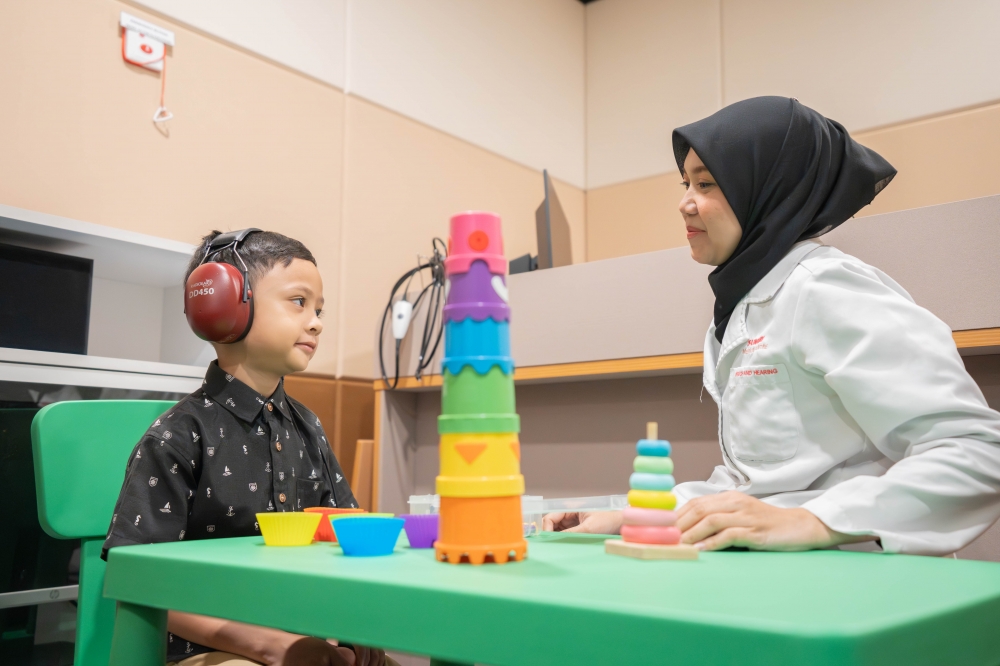
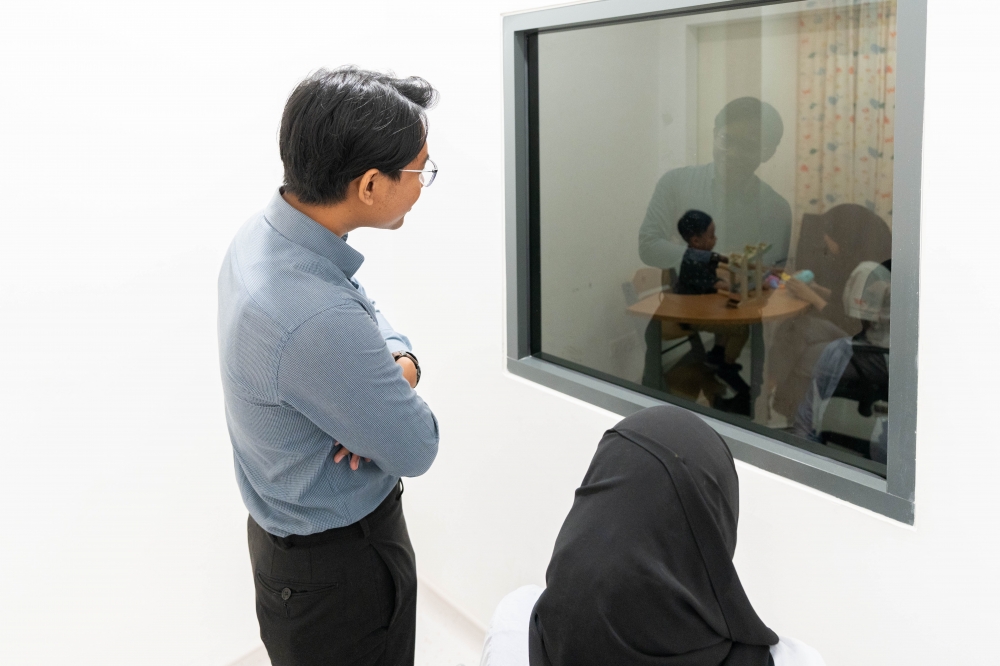
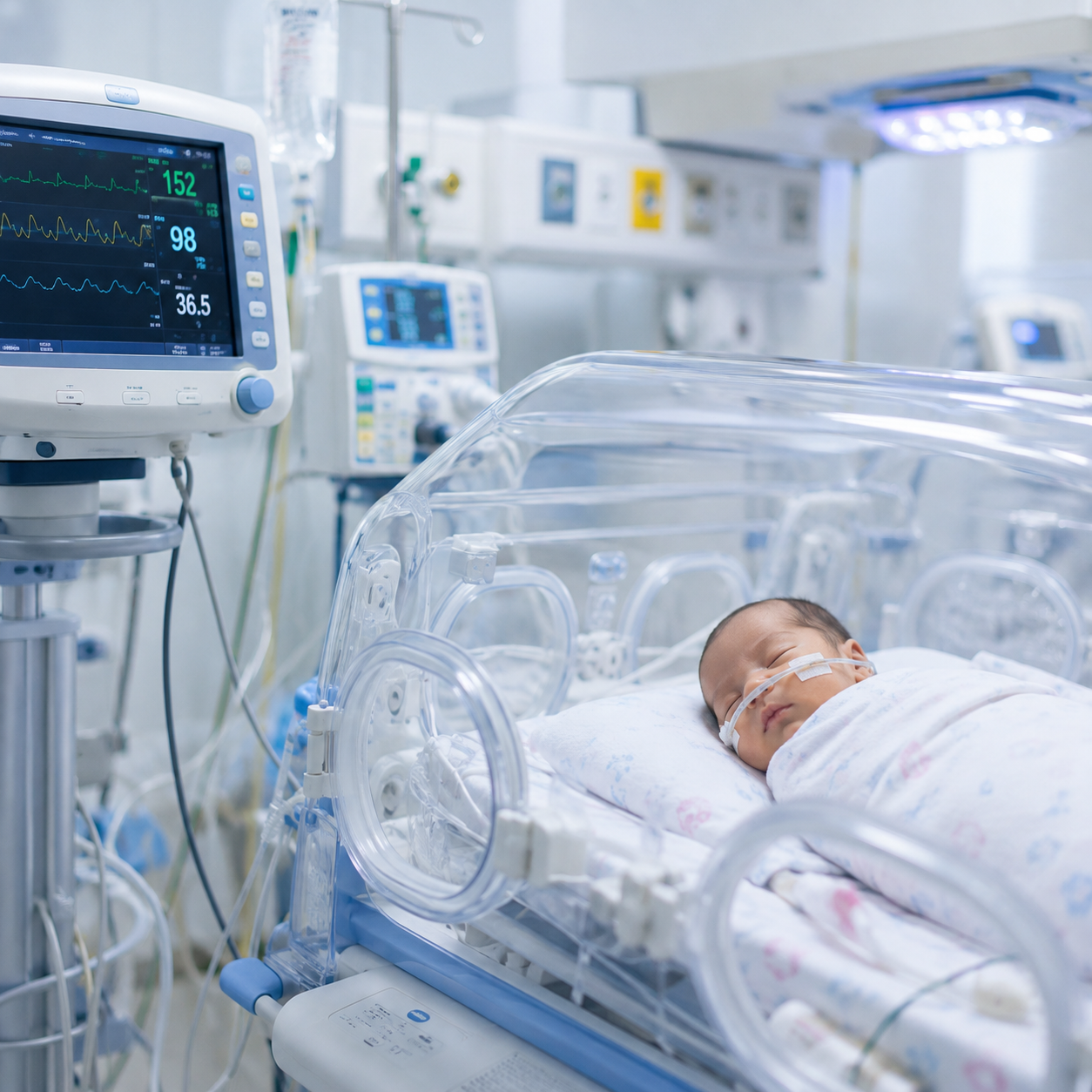
Sunway Medical Centre's Children's Health Centre provides paediatric care in a safe, nurturing and family-friendly environment, bringing together specialists, nurses and allied health professionals dedicated to the well-being of every child — from newborn to adolescence. Established in 2023 as part of the Tower D expansion, the centre reflects Sunway's ongoing investment in paediatric healthcare.
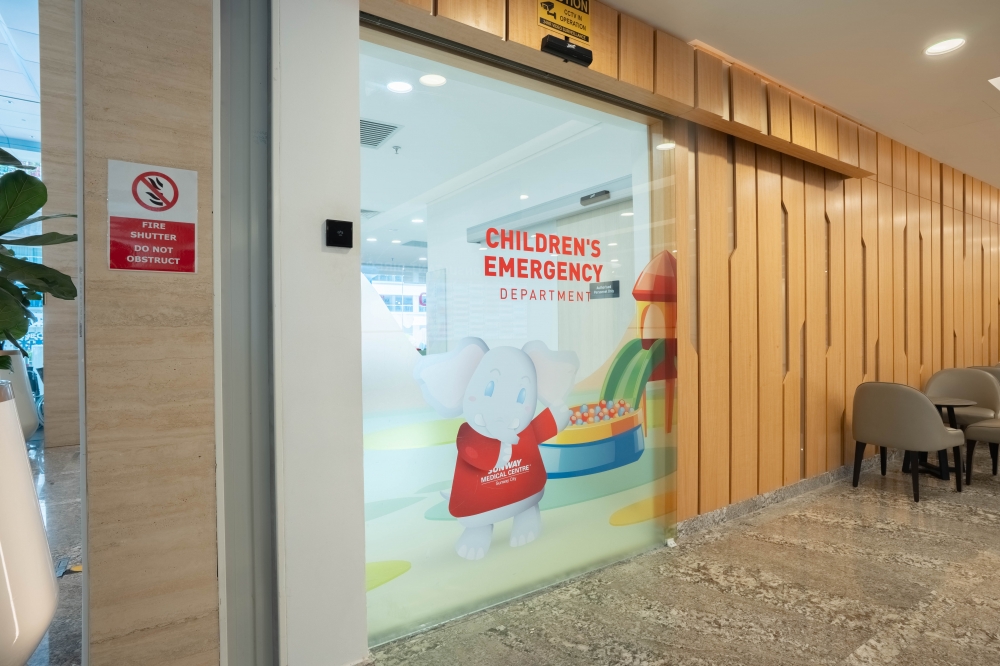
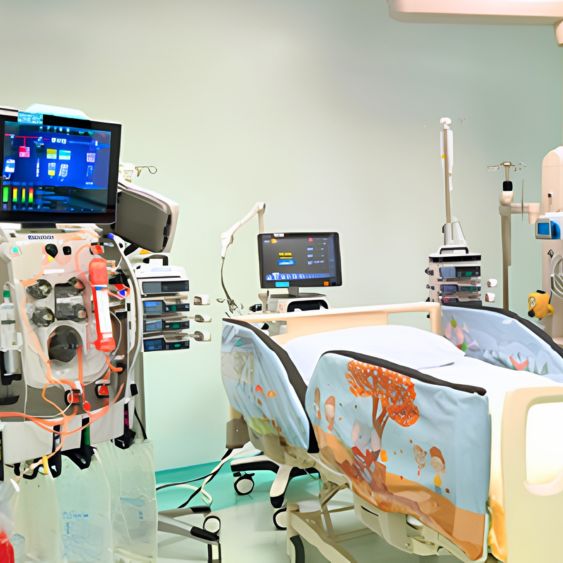
The centre is home to the first private dedicated children's emergency department in Malaysia, the first private dedicated Paediatric Haematology & Oncology service with a Bone Marrow Transplant Unit in the country, and a highly specialised NICU and PICU unit recognised as the first private and largest of its kind in Malaysia. Care is delivered through a family-centred, multidisciplinary approach, and the centre was recognised as Malaysia's No. 1 Paediatric service in Newsweek's 2025 top-ranked specialties. Sunway Medical Centre also welcomes international patients with dedicated support to make their child's care as smooth and reassuring as possible.




Conditions & Treatments
Our multidisciplinary team of experienced specialists, supported by advanced technology, provides personalised care tailored to each patient’s unique needs and condition.
Infectious & Common Childhood Illnesses
Children pick up infections often, especially once they start mixing with others at school or daycare. Most of these illnesses are mild and pass on their own, but knowing the signs helps parents catch anything that needs closer attention.
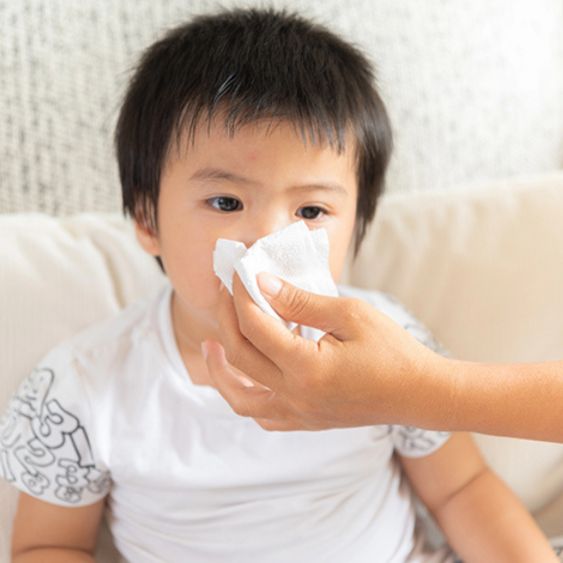
Common Cold

Common Cold
A mild viral infection causing a runny or blocked nose, sneezing, sore throat and mild cough, usually clearing up within a week to ten days
Influenza (Flu)
Influenza (Flu)
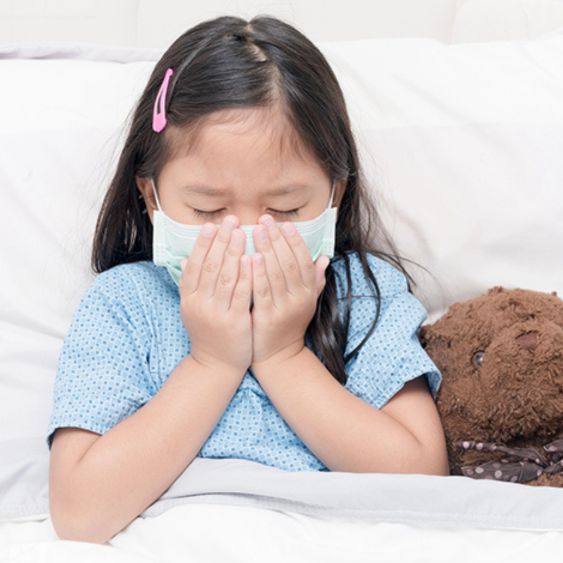
A viral infection similar to the common cold but usually more severe, with sudden fever, body aches, fatigue and a dry cough.
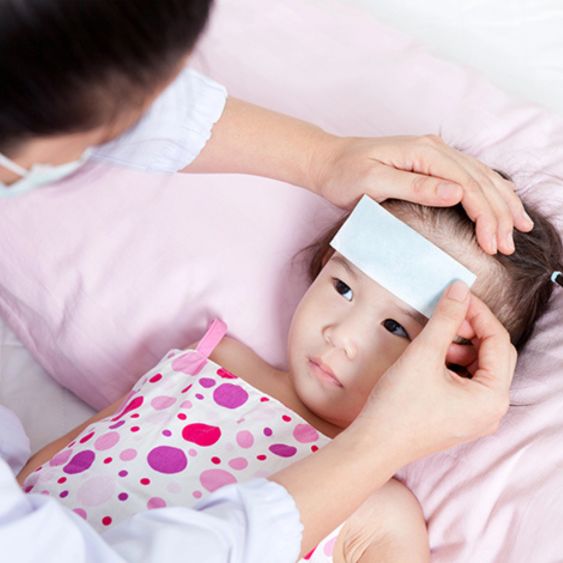
Fever
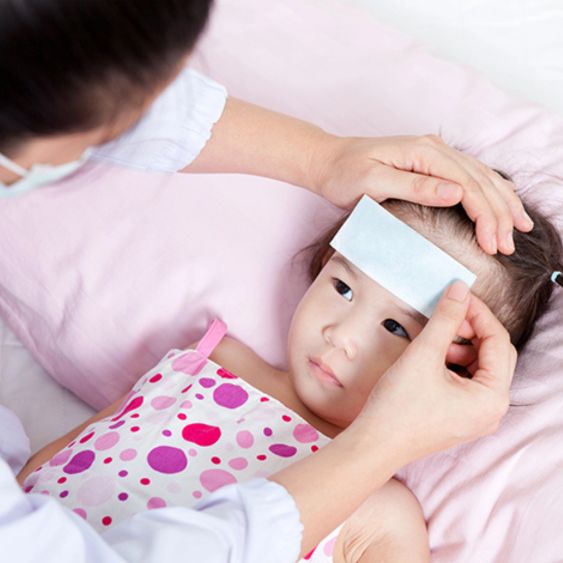
Fever
A rise in body temperature that is usually a sign the body is fighting an infection, rather than an illness on its own.
Chickenpox

Chickenpox
A highly contagious viral infection causing an itchy, blister-like rash along with mild fever, most common in young children.
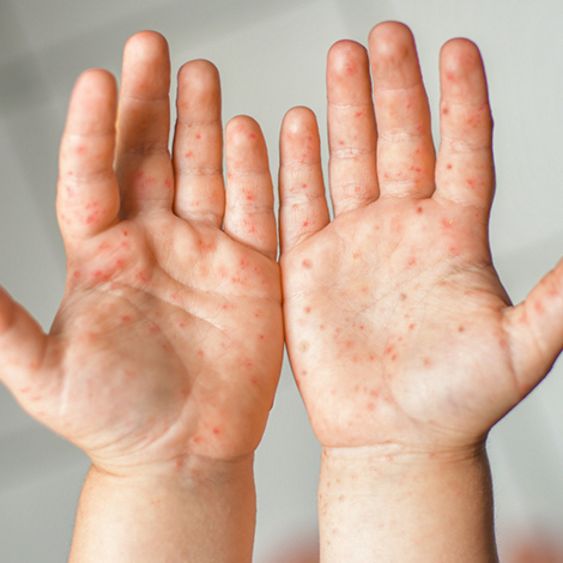
Hand, Foot & Mouth Disease (HFMD)
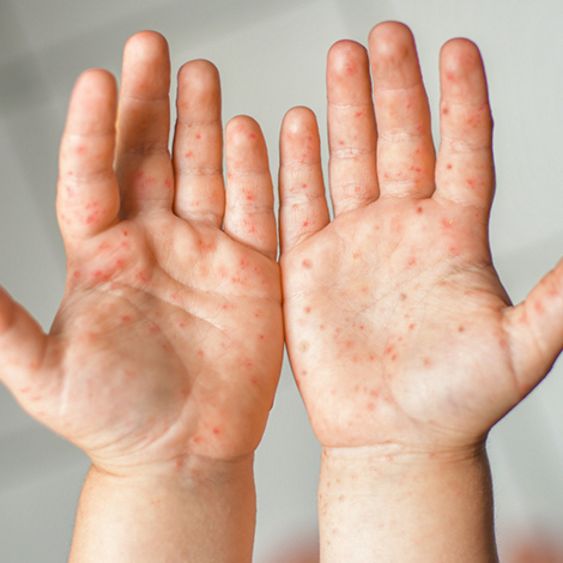
Hand, Foot & Mouth Disease (HFMD)
A contagious viral infection causing mouth ulcers and a rash on the hands and feet, common in young children, especially in group settings.
Dengue Fever

Dengue Fever
A mosquito-borne viral infection causing high fever, headache, joint and muscle pain, and sometimes a rash, requiring close monitoring for warning signs of complications.
Rotavirus Infection

Rotavirus Infection
A highly contagious viral infection causing diarrhoea, vomiting and fever, most common in infants and young children.
Food Poisoning

Food Poisoning
An illness caused by consuming contaminated food or water, leading to nausea, vomiting, diarrhoea and stomach cramps.
Bronchiolitis

Bronchiolitis
A common lung infection in infants, usually viral, causing coughing, wheezing and difficulty breathing.
Pneumonia (Lung Infection)

Pneumonia (Lung Infection)
An infection that inflames the air sacs in the lungs, causing cough, fever and difficulty breathing, ranging from mild to severe.
Tonsillitis

Tonsillitis
Inflammation of the tonsils, usually from a viral or bacterial infection, causing a sore throat, difficulty swallowing and fever.
Sinusitis (Sinus Infection)
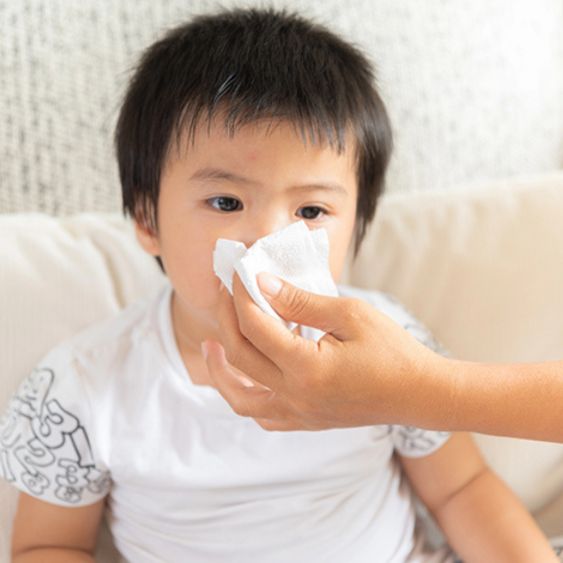
Sinusitis (Sinus Infection)
Inflammation of the sinuses, often following a cold, causing facial pressure, nasal congestion and headache.
Ear Infection

Ear Infection
An infection of the middle ear, common in young children, causing ear pain, irritability and sometimes fever.
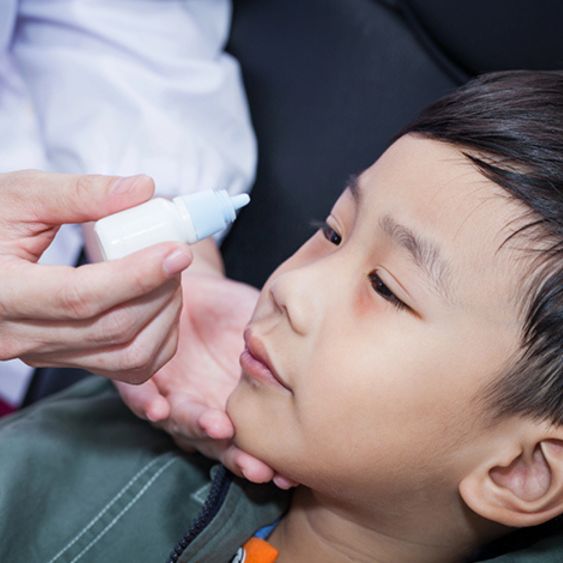
Conjunctivitis (Pink Eye)
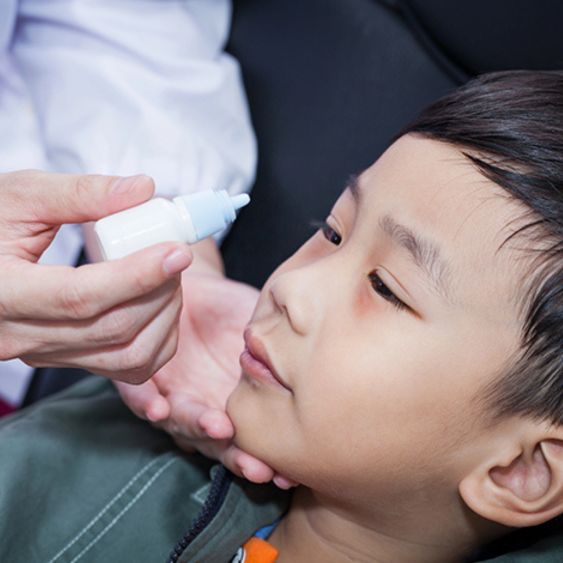
Conjunctivitis (Pink Eye)
An infection or irritation of the eye's outer membrane, causing redness, discharge and discomfort.
Urinary Tract Infection

Urinary Tract Infection
A bacterial infection of the urinary system, causing pain during urination, frequent urination and sometimes fever in young children.
Allergy, Skin & Respiratory Conditions
Allergic and respiratory conditions are among the most common reasons children see a paediatrician repeatedly, since they tend to be ongoing rather than a one-time illness. Identifying triggers and managing symptoms early can significantly improve a child's day-to-day comfort and quality of life.
Allergic Rhinitis

Allergic Rhinitis
This condition occurs when the nose reacts to allergens such as dust mites, pollen or pet dander, causing sneezing, a blocked or runny nose, itching and watery eyes. It can be seasonal or occur year-round, and often runs alongside other allergic conditions such as eczema or asthma.
Asthma
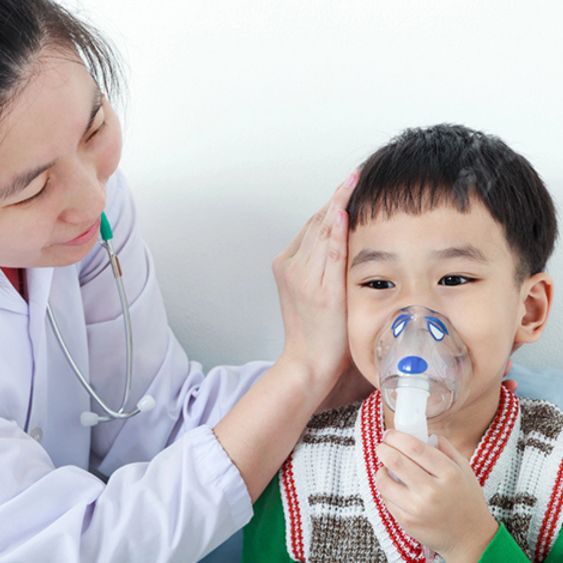
Asthma
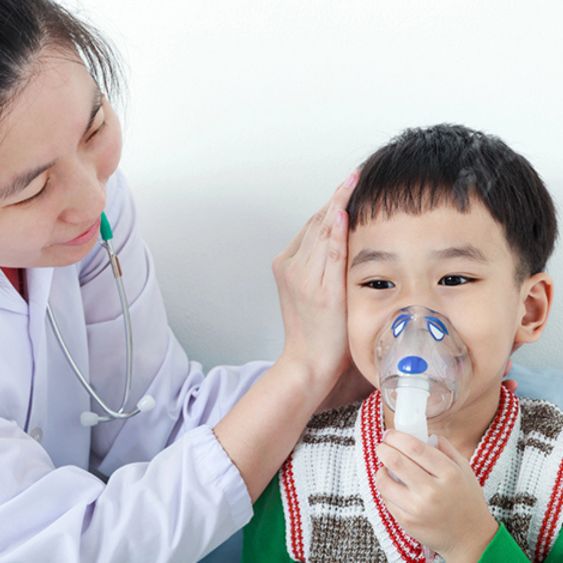
Asthma is a chronic condition that causes the airways to become inflamed and narrowed, leading to wheezing, coughing, chest tightness and breathlessness. Symptoms are often triggered by infections, allergens, exercise or weather changes, and severity can range from mild to serious, occasionally requiring emergency care.
Eczema (Dermatitis)

Eczema (Dermatitis)
Eczema is a chronic skin condition that causes dry, itchy and inflamed skin, often appearing in patches on the face, elbows or knees. It tends to flare up and settle over time, and is commonly linked to a family history of allergies, asthma or hay fever.
Food Allergy

Food Allergy
A food allergy occurs when the immune system reacts abnormally to certain foods, such as peanuts, eggs, milk or shellfish, ranging from mild skin reactions to severe, life-threatening responses. Early identification of trigger foods is important, especially in children with a family history of allergies.
Growth, Development & Behavioural Health
Every child develops at their own pace, but persistent differences in behaviour, learning, growth or movement are worth discussing with a specialist early. Timely assessment often makes a meaningful difference in a child's long-term progress and confidence.
Attention-Deficit/Hyperactivity Disorder (ADHD)

Attention-Deficit/Hyperactivity Disorder (ADHD)
ADHD is a developmental condition that affects a child's ability to focus, sit still or control impulses, in ways that go beyond typical childhood behaviour. It can affect school performance, friendships and family life, and often becomes more noticeable once a child starts school.
Autism Spectrum Disorder

Autism Spectrum Disorder
Autism spectrum disorder is a developmental condition that affects how a child communicates, interacts socially, and processes the world around them, with signs often appearing before age three. It varies widely from child to child, ranging from mild differences in social communication to more significant support needs.
Short Stature

Short Stature
Short stature refers to a child's height being noticeably below the expected range for their age, which can be due to genetics, hormonal imbalance, nutritional factors or an underlying medical condition. Tracking a child's growth over time helps identify whether further evaluation is needed.
Walking (Gait Abnormalities)

Walking (Gait Abnormalities)
Gait abnormalities refer to unusual patterns in how a child walks, such as toe-walking, in-toeing or limping, which can be a normal part of development or a sign of an underlying muscular, neurological or orthopaedic issue. Persistent or worsening gait changes should be assessed by a specialist.
Childhood Obesity

Childhood Obesity
Childhood obesity occurs when a child has excess body weight for their age and height, increasing the risk of conditions such as type 2 diabetes, high blood pressure and joint problems later in life. It is often influenced by a combination of diet, activity levels, genetics and lifestyle factors.
Blood, Endocrine & Chronic Conditions
These conditions tend to require ongoing, longer-term care rather than a single course of treatment. Early diagnosis and a consistent care plan help children manage their condition well and continue to grow and thrive.
Type 1 Diabetes
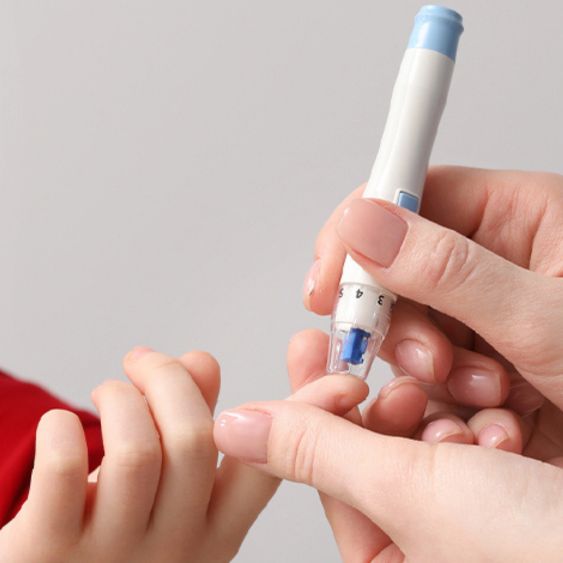
Type 1 Diabetes
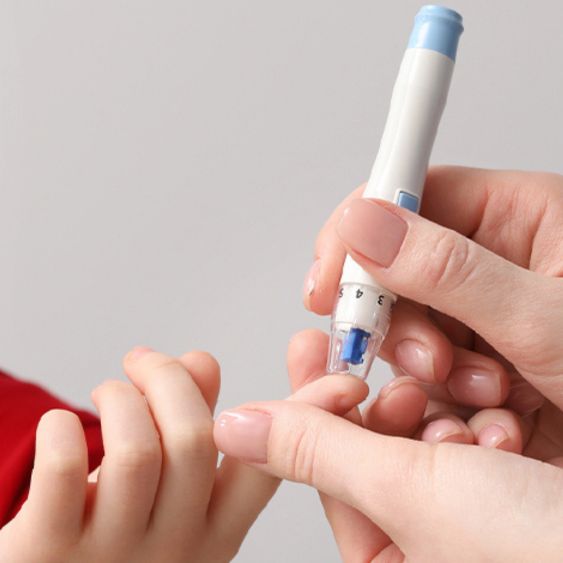
Type 1 diabetes is a chronic condition where the body is unable to produce enough insulin, causing high blood sugar levels. It usually develops in childhood, with symptoms including excessive thirst, frequent urination, fatigue and unexplained weight loss, and requires lifelong management.
Blood Disorders
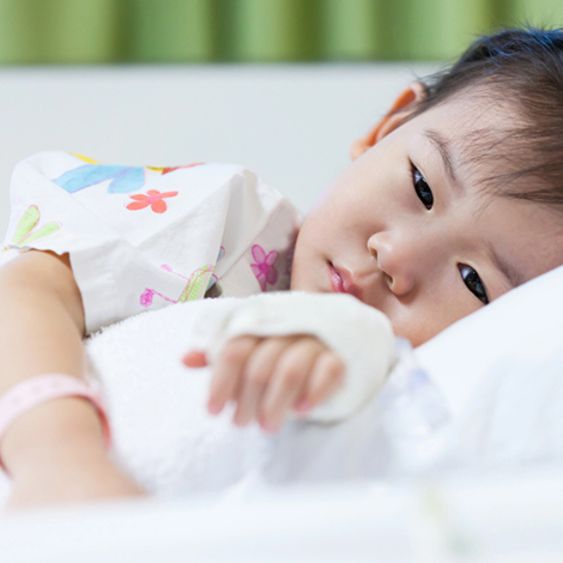
Blood Disorders
Blood disorders in children cover a range of conditions affecting red cells, white cells, platelets or clotting, including anaemia, thalassaemia and clotting disorders. Symptoms vary depending on the type but can include tiredness, paleness, easy bruising, frequent infections or unusual bleeding.
Childhood Cancer

Childhood Cancer
Childhood cancers develop in babies, children and teenagers, and often behave differently from adult cancers. Common types include leukaemia, brain tumours and lymphomas, and because symptoms can be vague — such as ongoing tiredness, unexplained bruising, lumps or a fever that will not go away — early assessment by a specialist is important
Kawasaki Disease

Kawasaki Disease
Kawasaki disease is a rare condition that causes inflammation in the blood vessels, most commonly affecting children under five. It typically presents with a prolonged high fever, rash, red eyes, swollen hands and feet, and a swollen lymph node in the neck, and needs prompt treatment to reduce the risk of heart complications.
Jaundice

Jaundice
Jaundice is a common condition in newborns, causing a yellowish tinge to the skin and eyes due to a build-up of bilirubin in the blood. While often mild and resolving on its own, more significant or prolonged jaundice needs monitoring to prevent complications.
Digestive, Urinary & Other Common Complaints
Some of the most frequent concerns parents raise are everyday complaints like tummy aches, toileting issues or unexplained pain — usually mild, but worth understanding so families know when to seek further care.
Abdominal Pain

Abdominal Pain
Abdominal pain is one of the most common complaints in childhood, ranging from a mild, short-lived stomach ache to a sign of a more serious condition. Common causes include constipation, gas, gastroenteritis, food intolerance or, in some children, stress-related pain with no clear physical cause. Pain that is severe, persistent, or comes with fever, vomiting or blood in the stool should be assessed promptly.
Constipation

Constipation
Constipation is common in children and usually involves infrequent, hard or painful bowel movements. It can be caused by low fibre or fluid intake, changes in routine, or a child holding in stool due to discomfort or toilet-training stress.
Bedwetting (Nocturnal Enuresis)

Bedwetting (Nocturnal Enuresis)
Bedwetting is common in young children and is usually part of normal development, as bladder control during sleep can take longer to develop than daytime control. It becomes a concern when it persists well beyond the age when most children are dry at night, or when it starts again after a period of being dry.
Joint Pain

Joint Pain
Joint pain in children can range from normal "growing pains" to a sign of infection, injury or an inflammatory condition such as juvenile arthritis. Persistent pain, swelling, redness or joint pain that affects a child's ability to walk or play should be evaluated further.
Fainting Spell (Syncope)

Fainting Spell (Syncope)
Fainting, or syncope, is a brief loss of consciousness usually caused by a temporary drop in blood flow to the brain, often triggered by standing up quickly, heat, dehydration or emotional stress. While usually harmless, fainting that is sudden, recurrent or associated with chest pain or palpitations should be assessed to rule out a heart-related cause.
































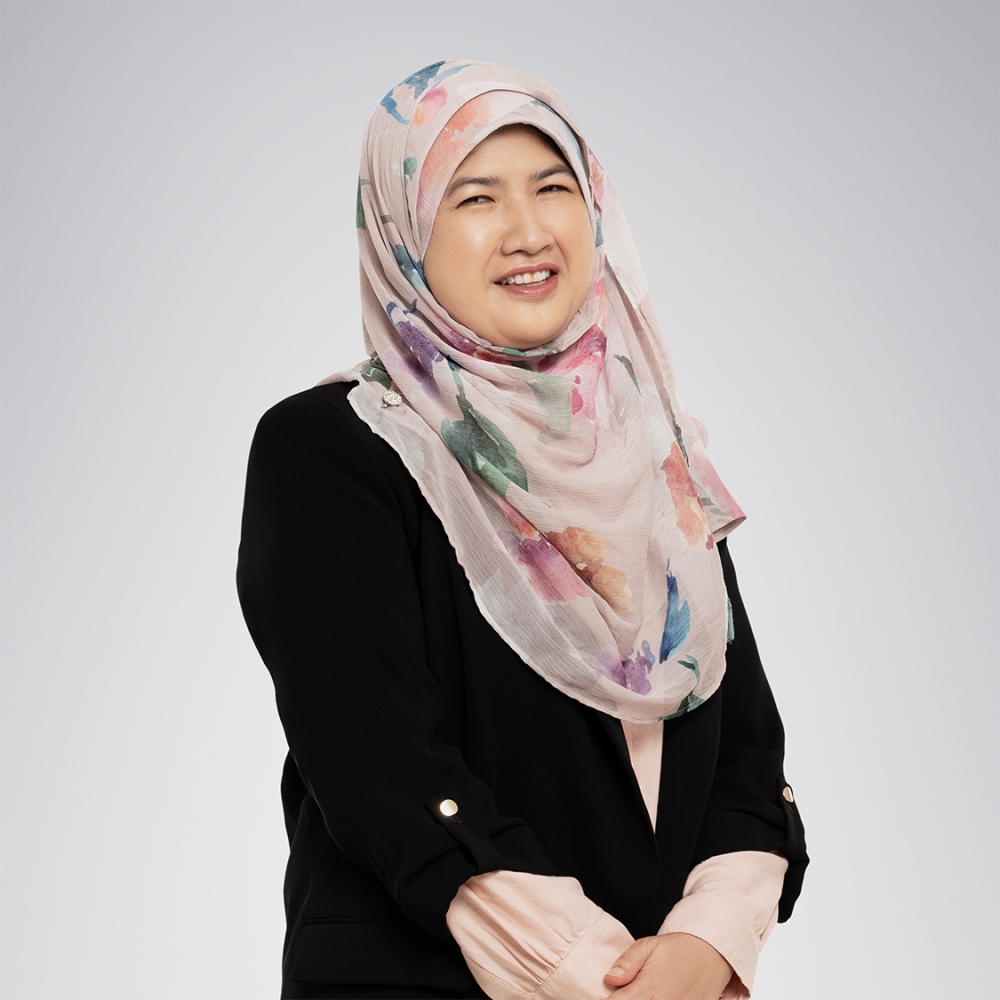
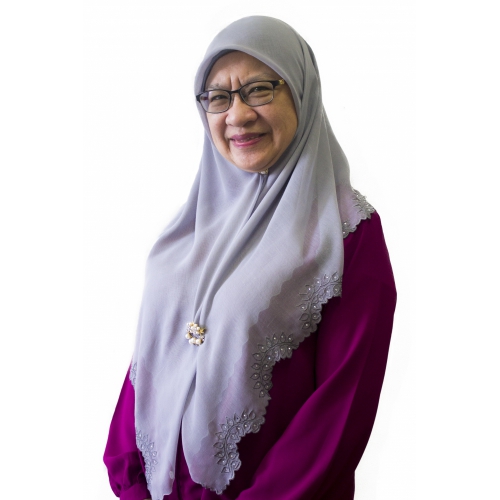
Meet Our Specialists
Our multidisciplinary team of experienced specialists is committed to delivering personalised, evidence-based care tailored to your individual needs. Working collaboratively across specialties, we provide comprehensive care with compassion, expertise and excellence at every stage of your healthcare journey.







































Patient's Testimonials
Discover our patients’ experiences during their care at Sunway Medical Centre.
“ Regarding the coordination part, I would say it's good. From the doctors to nurses, they are very caring and show concern. If there are any problems, they will quickly respond, and I feel very satisfied and comfortable here. ”

“ The doctor is incredibly kind and compassionate. They really listen to you, and the entire experience far exceeded my expectations. "

" I felt that every time I did the tests and everything, they were always making sure that I was the right person. It felt very professional. There was a nice atmosphere you could really feel it, and that made a huge difference. "

“ I felt that SMC has excellent hygiene, facilities and staff. I believe that this hospital is on par with general hospitals in Japan and where one can visit with a piece of mind ”

Expert Care You Can Trust
Your health matters to us. Tell us your concerns, and we’ll guide you to the right specialist.
Need assistance?
Our team is ready to help, contact us below:
Contact Us on Whatsapp Contact Us on TelegramPackages & Promotions
We offer exclusive services for our international patient